The rainy season presents a significant challenge for outdoor LED display screens. High humidity, persistent rainfall, and temperature fluctuations can damage sensitive components, cause short circuits, or even lead to complete failure. As a result, outdoor LED screens require comprehensive protection strategies to keep their stability and longevity. Whether you’re a LED display manufacturer, installer, or end-user, you should understand how to prevent water damage and how to respond when it happens.
In this article, we will explore the complete process of waterproofing outdoor LED displays.
Waterproofing During the Manufacturing Stage

The first line of defense begins during the manufacturing LED display screen. LED display Manufacturers must build protection into the product itself to withstand outdoor environmental conditions.
PCB Anti-Corrosion Treatment
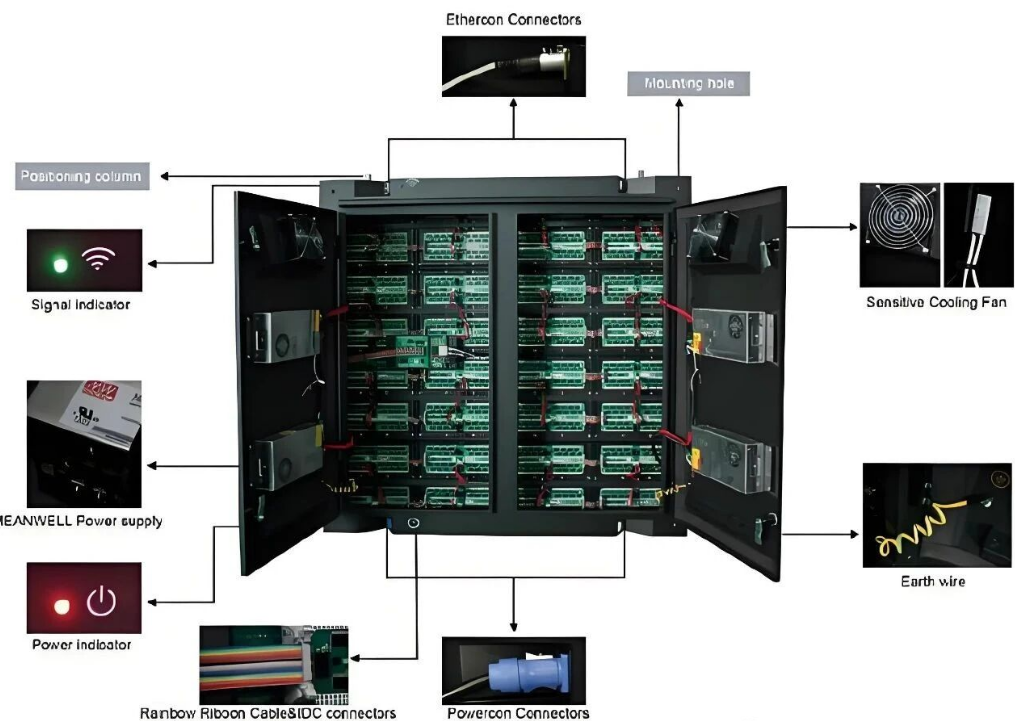
First, you should apply anti-corrosion treatment to the PCB. For example, applying conformal coating (often referred to as “three-proofing paint”) to shield against moisture, dust, and corrosion. By this transparent coating forms a protective film on the surface of the board, it can minimizine the risk of short circuits and oxidation.
High-Quality Waterproof Components
In addition, you should choose premium quality and designed Power supplies for outdoor use. Low-grade components can easily degrade or fail in humid environments. It’s essential to use connectors with waterproof ratings and to seal all joints with silicone or waterproof gaskets.
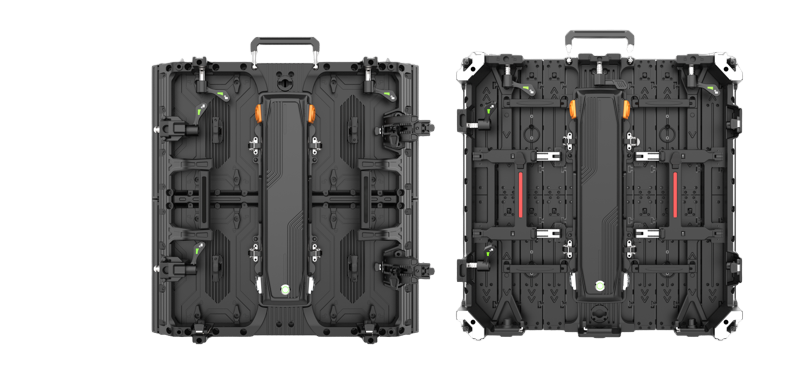
Weatherproof Cabinets with IP65 Ratings
The LED cabinet plays a pivotal role in waterproofing. For outdoor use, the LED cabinet must have IP65 rating. Use this grade can be fully dust-tight and resistant to water jets from all directions.
Welding points are particularly vulnerable. These must be protected with insulating materials or corrosion-resistant coating. Additionally, the LED display frame should be made of rust-resistant materials or coated with anti-rust paint to withstand long-term exposure to rain and moisture.
Special Consideration for the Rear Panel
While the front of the screen often receives the most attention, the back panel also requires waterproofing. Back panels made of aluminum composite panels must be drilled with evenly spaced drainage holes using a power drill. Because it can promote airflow, reduce internal condensation, and allowstrapped water to escape. Therefore, It can significantly improve both waterproofing and heat dissipation.
Waterproofing During On-Site Installation
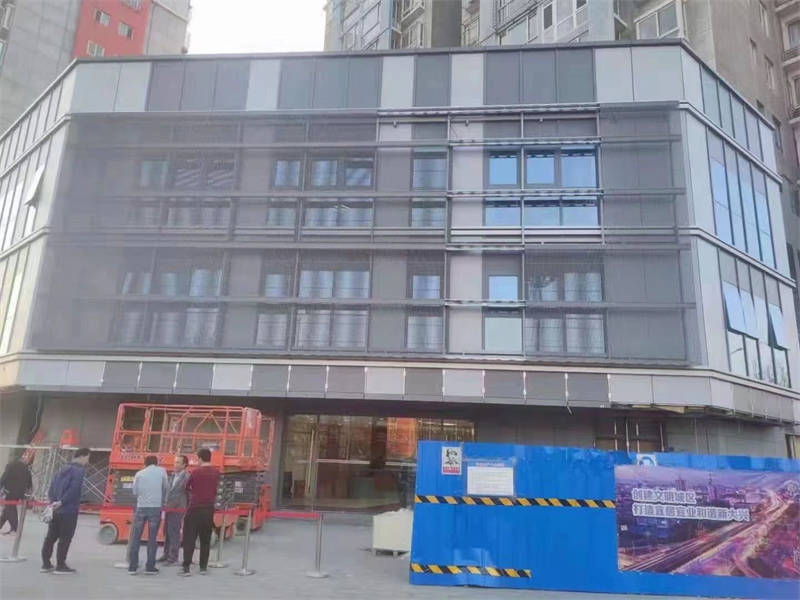
Once the display is manufactured, on-site installation becomes the next crucial phase in waterproofing.
Waterproof Structure Design
A well-designed structural framework combines waterproofing with water drainage. Structural engineers should implement both passive and active waterproofing measures, such as:
rain hoods
Overhangs
sloped platforms.
With these design, it should prevent water accumulation and promote drainage away from the LED modules.
Sealing Materials and Contact Surface
When installing seals and waterproof strips, you should choose materials with excellent flexibility, low permanent compression deformation, and high tear strength,suh as:
- Rubber seals
- Foam gaskets with hollow-core structures
These materials should be compressed sufficiently to form a tight seal without deforming over time.
In addition, Contact surfaces must be flat and tightly compressed. We recommend that designing groove structures or clamping mechanisms that force the sealing material to expand under pressure.
Seal All Entry Points
Please ensure that all entry points,such as cable inlets, module connections, and mounting brackets. Use waterproof silicone around edges and connectors, especially at the bottom where water may accumulate. The goal is to eliminate all potential leak paths.
Best Practices for Daily Use During Rainy Seasons
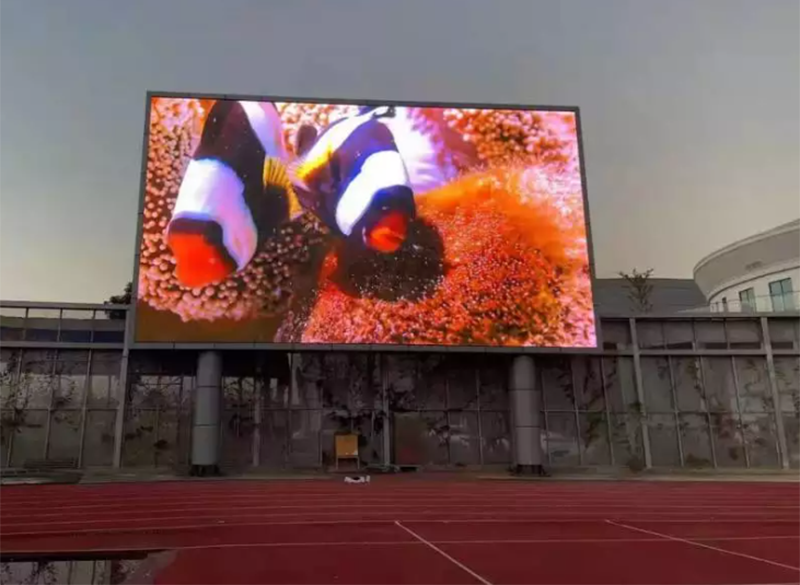
In addition to installation, proper daily usage plays a major role in protecting your LED display during rainy or humid seasons.
Frequent Operation to Prevent Moisture Accumulation
Operating the display regularly is not just for content presentation. It also helps protect the internal electronics. When the display is running, it naturally produces heat, which helps to evaporate internal moisture and reduces the likelihood of condensation.
We recommend turning on your LED screen at least once per week during the rainy season, and allowing it to run for a minimum of two hours. If the weather is extremely humid or your region is in the midst of a monsoon, increasing this to every other day is advisable.
Scheduled Inspections and Cleaning
Look for signs of rust, water ingress, or discoloration.
Clean both the front and rear of the screen regularly to remove dust, mud, and organic matter.
A buildup of debris can trap moisture, block ventilation, and eventually cause corrosion or overheating.
Use a soft cloth and non-corrosive cleaning solutions to wipe the surface.
Avoid using high-pressure water sprays or aggressive cleaning agents.
Emergency Treatment: What to Do If Water Enters the Screen
Despite best efforts, water ingress may still occur. In such cases, you should take the right emergency measures immediately to determine whether the display survives or not.
Step-by-Step Recovery Process
Step 1: Dry the Screen Completely
Use high-powered fans or blowers to remove moisture as fast as possible. Do not attempt to power the screen on while any moisture remains.
Step 2: Gradual Power Aging Process
Once completely dry, follow a staged power-up sequence to slowly restore the system without stressing the components:
- Stage 1: Set screen brightness to 10% (white), power on for 8–12 hours.
- Stage 2: Increase brightness to 30%, run for 12 hours.
- Stage 3: Raise brightness to 60%, operate for another 12–24 hours.
- Stage 4: Bump brightness to 80%, run for 12–24 hours.
- Stage 5: Finally, operate at 100% brightness for 8–12 hours.
This staged aging process helps detect weak circuits or LED failures early while reducing the risk of immediate large-scale failure.
Critical Do’s and Don’ts
Do not place wet screens into flight cases or storage boxes. This traps humidity inside and can “cook” the LEDs in a moist environment, leading to irreversible damage.
If your warehouse floods, expose all flight cases to the sun or use industrial drying machines to evaporate trapped moisture before storing any screen components inside.
Act quickly. A wet LED module left untreated for over three days may lose its reparability entirely.
Monitor for dead pixels or flickering. These can be early signs of water-damaged circuits. Isolate these modules and replace if necessary.
Conclusion
Outdoor LED displays are powerful advertising tools, but they face tough environmental conditions. If your business or organization operates LED displays in a rainy climate, we strongly recommend building a maintenance schedule and training your team to respond to emergencies. But you should choose a high-quality LED screen manufacturer from the beginning, such as Sight LED. If you need LED display, feel free to contact us.