When a client requests a “4K COB LED wall,” what they are usually thinking about is image clarity. However, Unlike LCD panels that arrive as finished, resolution-defined products, LED walls are modular systems. They are built from cabinets. Resolution is not predefined.It is engineered. That distinction changes everything.
So when someone asks:
How many cabinets are required for a 4K LED wall?
The real answer is: it depends on how you engineer it. Today,we will guide you these details
Understanding What “4K” Means in LED Display?
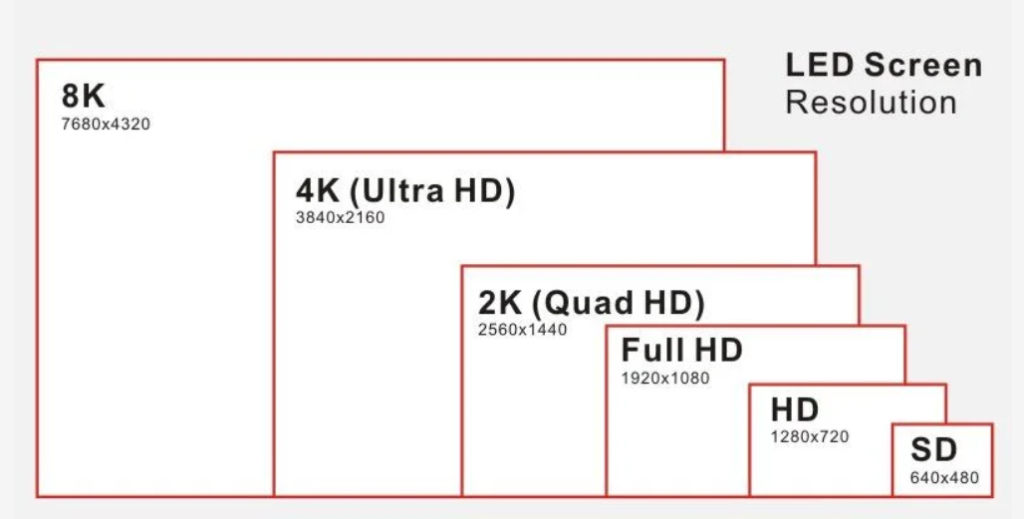
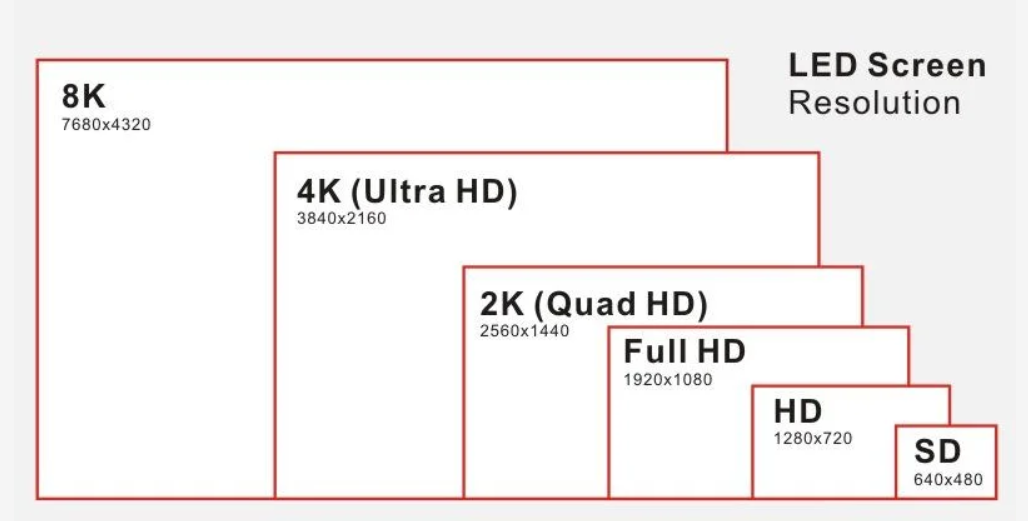
4K loosely refers to “very sharp.” In consumer displays However, In professional AV engineering, 4K has a precise definition:
3840 horizontal pixels × 2160 vertical pixels
That equals 8.29 million pixels.
Those pixels are distributed across multiple cabinets. Each cabinet contributes a fixed number of pixels based on its physical dimensions and pixel pitch.
Because cabinets are indivisible units, you cannot build 9.6 cabinets. So, the resolution must be achieved by rounding upward. It is often slightly more than true 4K resolution.
The Three Technical Variables That Control Cabinet Quantity
To calculate cabinet count correctly, you must first define three engineering variables:
- Pixel pitch
- Cabinet dimensions
- Viewing distance requirement
If any of these are chosen incorrectly at the beginning, the entire system becomes either over-budgeted or underperforming.
Pixel Pitch:
Pixel pitch determines how many pixels exist per square meter. Smaller pitch means higher pixel density.
For example:
- P1.2:extremely high density
- P1.5:common boardroom solution
- P1.8 :medium-density conference or church
- P2.5: cost-effective large space option
To reach 4K resolution, if you choose the smaller the pitch, you need the fewer cabinets. However, smaller pitch also significantly increases cost per square meter.
This is why cabinet quantity and budget are directly tied to pitch selection.
Cabinet Size:
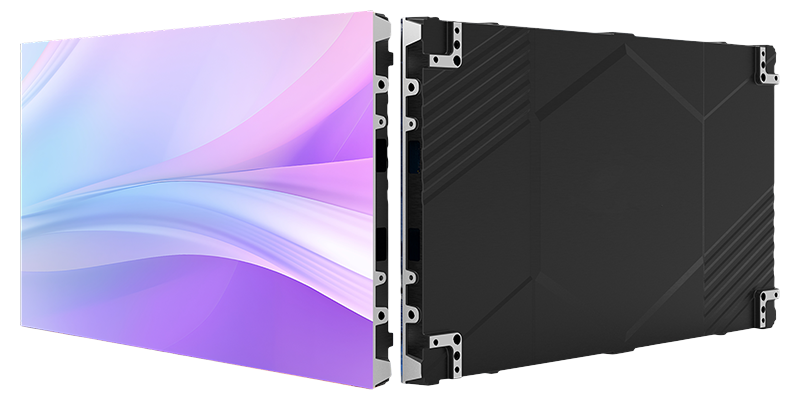
Modern fine pitch LED systems commonly use 600×337.5mm die-cast aluminum cabinets. This size follows a 16:9 aspect ratio, which aligns naturally with 4K’s 16:9 resolution.
Next, we use 16:9 cabinets to simply layout planning. If you choose a non-16:9 cabinet (such as 640×480mm), achieving exact 4K alignment becomes more complex. In addition, it may introduce scaling inefficiencies.
Step-by-Step Real Calculation (P1.5 Example)
Let’s assume a corporate boardroom installation using:
- Pixel pitch: P1.5
- Cabinet size: 600 × 337.5 mm
First, let us calculate cabinet resolution.
- 600mm ÷ 1.5mm = 400 horizontal pixels
- 337.5mm ÷ 1.5mm = 225 vertical pixels
Each cabinet provides:
400 × 225 pixels
Now we can divide 4K resolution by cabinet resolution.
- 3840 ÷ 400 = 9.6
- 2160 ÷ 225 = 9.6
Since partial cabinets are impossible, round up:
- 10 cabinets horizontally
- 10 cabinets vertically
Total cabinet quantity:100 cabinets
Final resolution:4000 × 2250 pixels
This slightly exceeds 4K. It is acceptable in LED design.
Why Pixel Pitch Dramatically Changes Cabinet Quantity
If we use the same cabinet size, let’s compare pitch impact conceptually.
If we use P1.2, each cabinet contains more pixels, so you need fewer cabinets . Instead of P2.5, each cabinet contains fewer pixels, so we need many more cabinets .
For the same 600×337.5mm cabinet format:
- P1.2 :approx. 64 cabinets
- P1.5: approx. 100 cabinets
- P1.8 : approx. 144 cabinets
- P2.5 : approx. 256 cabinets
| Pixel Pitch | Width (3840 × pitch) | Height (2160 × pitch) | Approx Area |
|---|---|---|---|
| P1.2 | 4.61 m | 2.59 m | 11.94 m² |
| P1.5 | 5.76 m | 3.24 m | 18.66 m² |
| P1.8 | 6.91 m | 3.89 m | 26.88 m² |
| P2.5 | 9.60 m | 5.40 m | 51.84 m² |
Notice something important:
When pitch increases moderately, cabinet quantity increases significantly. That directly affects:
- Installation complexity
- Power supply count
- Data cable count
- Structural load
- Failure point probability
More cabinets mean more connection points and higher maintenance exposure.
Viewing Distance Must Be Decided Before Cabinet Math
Many buyers make the mistake of starting with “We want 4K” instead of asking:
How far will viewers sit from the screen?
A simplified engineering rule:
Minimum viewing distance (meters) ≈ pixel pitch (mm)
For example:
- P1.5 works well at 1.5 meters and beyond
- P2.5 works comfortably beyond 2.5 meters
If your closest viewer sits 3 meters away, using P1.2 would likely waste budget without visible benefit.
Structural Load Considerations
Cabinet quantity affects structural engineering requirements.
Assume each fine pitch cabinet weighs approximately 7–8kg.
For a P1.5 4K configuration (100 cabinets):
100 × 8kg = 800kg (cabinet weight only)
Now add:
- Steel mounting frame
- Brackets
- Cable trays
- Safety margin (usually 30%)
The final installed weight can exceed 1,100kg.
If the wall is mounted on drywall or a decorative facade, reinforcement becomes mandatory.
Ignoring structural calculation is one of the most common installation failures in retrofit projects.
Power Distribution Planning
Each cabinet consumes power. Even though average consumption is lower, you must consider electrical systems maximum load.
If cabinet area is 0.2025 m² and total cabinet count is 100:
Total display area = 20.25 m²
If peak consumption is 600W per m²:
20.25 × 600 = 12.15 kW peak demand
This impacts:
- Breaker sizing
- Cable gauge
- Power distribution cabinet design
- Backup power capacity
Electrical planning errors can cause flicker, shutdown, or even fire hazards.
How Much Does a 4K LED Wall Cost in 2026?
LED display Price depends heavily on pixel pitch and region, but below is realistic global market reference for indoor fine pitch LED:
| Pixel Pitch | LED Price / m² | Estimated 4K Project Cost |
|---|---|---|
| P1.2 | $1,800–$2,500 | $30,000–$45,000 |
| P1.5 | $1,200–$1,800 | $22,000–$35,000 |
| P1.8 | $900–$1,400 | $25,000–$40,000 |
| P2.5 | $600–$1,000 | $35,000–$60,000 |
Processor & Signal Bandwidth Constraints
Even if cabinet math reaches 4K, your video processor must support:
- True 3840×2160 input
- HDMI 2.0 or DisplayPort bandwidth
- Sufficient sending card capacity
Budget Impact of Cabinet Quantity
Cabinet count influences total cost more than any other factor except pixel pitch price.
More cabinets mean:
- More receiving cards
- More power supplies
- More data cables
- More structural components
- More labor hours
A P2.5 4K wall requires 256 cabinets. It is over twice the cabinet count of P1.5 , which dramatically increasing installation complexity.
This is why pixel pitch selection is not just about clarity; it is a financial decision.
4K LED Wall vs LCD Video Wall (Engineering Comparison)
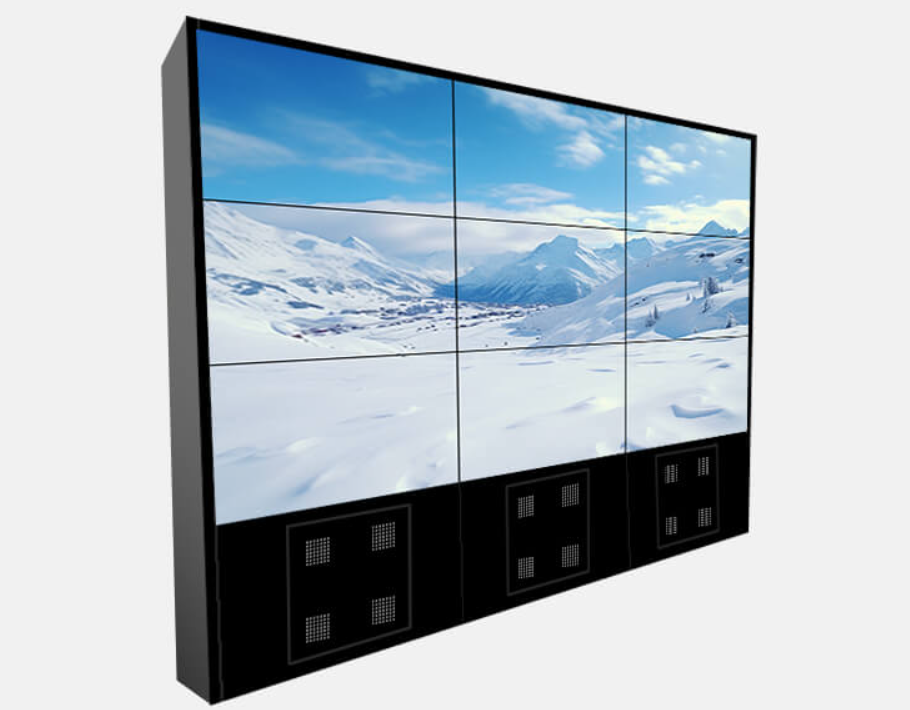
| Feature | 4K LED Wall | LCD Video Wall |
|---|---|---|
| Seamless Display | Yes | No (bezel gap) |
| Brightness | 600–1200 nits | 350–500 nits |
| Lifespan | 100,000 hours | 50,000 hours |
| Flexibility | Custom size | Fixed 55″/65″ |
| Maintenance | Front service | Panel replacement |
Real-World Example: 4K Church Installation
Project conditions:
- Viewing distance: 4 meters
- Budget sensitivity: moderate
- Ceiling height: 5 meters
Engineering decision:
We can use P1.8 as balance between clarity and cost.
Cabinet layout:
12 × 12 = 144 cabinets
Total area ≈ 29 m²
Peak power ≈ 17kW
It is sufficient clarity while avoiding P1.5 premium cost.
5-Year Total Cost of Ownership (TCO) Analysis
For commercial installations, long-term operating cost matters more than initial purchase price.
Example: P1.5 4K Wall (100 Cabinets)
- Annual energy cost (8h/day): ~$2,000–$3,000
- 5-year electricity cost: ~$12,000
- Expected module replacement rate: < 3%
- Estimated 5-year maintenance budget: $3,000–$5,000
Total 5-Year Cost ≈ Initial cost + $15,000 operational expense.
The Engineering Workflow You Should Always Follow
When planning a 4K LED wall, you can follow this order:
- Confirm viewing distance
- Select pixel pitch
- Confirm cabinet size
- Calculate cabinet resolution
- Divide into 3840×2160
- Round up to whole cabinets
- Verify processor compatibility
- Check structural load
- Calculate power demand
- Finalize budget
- Skipping any step leads to costly redesign.
Final Conclusion
We have guide you these details. There is no universal cabinet number for a 4K LED wall. The correct answer depends on engineering decisions, such as cabinet size and pitch.
If you are building a 4K LED wall and are unsure about your budget and options, feel free to contact us. Our team will be happy to assist you.
FAQs:
How many cabinets are needed for a 4K LED wall?
The number of cabinets required for a 4K LED wall depends on pixel pitch and cabinet size. Using standard 600×337.5mm cabinets:
- P1.2 :About 64 cabinets
- P1.5 :About 100 cabinets
- P1.8 :About 144 cabinets
- P2.5 :About 256 cabinets
What is the formula to calculate cabinets for a 4K LED wall?
To calculate cabinet quantity:
We can Divide cabinet width/height by pixel pitch to get horizontal/vertical pixels per cabinet.
- Divide 3840 by horizontal cabinet pixels.
- Divide 2160 by vertical cabinet pixels.
- Round both numbers up to whole cabinets.
- Total cabinets = horizontal × vertical.
What cabinet size is best for a 4K LED wall?
The most common cabinet size for 4K LED walls is 600×337.5mm.
Can a 4K LED wall be smaller than 4 meters wide?
Yes. The physical width of a 4K LED wall depends on pixel pitch.
For example:
- P1.2 4K wall ≈ 4.8 meters wide
- P1.5 4K wall ≈ 6 meters wide
- P2.5 4K wall ≈ 9.6 meters wide
Does a 4K LED wall always use 100 cabinets?
No. You use 100 cabinets when choosing P1.5 with 600×337.5mm cabinets. Different pixel pitches change cabinet count.
How much power does a 4K LED wall consume?
Power consumption depends on screen area and brightness.
A common P1.5 4K wall (about 20 m²) require up to 12~15 kW at peak load. Average operating consumption is usually 30–50% of peak.
Is a 4K LED wall better than an LCD video wall?
4K LED wall provides seamless display without bezels, higher brightness, and flexible sizing. LCD video walls have fixed panel sizes and visible gaps.
What pixel pitch is recommended for a 4K LED wall?
We recommended pixel pitch depends on viewing distance:
- 1–2 meters : P1.2 or P1.5
- 2–3 meters: P1.5 or P1.8
- 3+ meters: P1.8 or P2.5
Can a 4K LED wall exceed 3840×2160 resolution?
Yes. Because cabinet counts must be rounded up, most LED walls slightly exceed 3840×2160 resolution.
What size is a 4K LED wall in meters?
The physical size of a 4K LED wall depends on pixel pitch.For a standard 3840×2160 resolution:
- P1.2 ≈ 4.6m × 2.6m
- P1.5 ≈ 5.8m × 3.2m
- P1.8 ≈ 6.9m × 3.9m
- P2.5 ≈ 9.6m × 5.4m
What resolution does one LED cabinet have?
Cabinet resolution depends on cabinet size and pixel pitch.
For a 600×337.5mm cabinet:
- P1.2 ≈ 500×281 pixels
- P1.5 ≈ 400×225 pixels
- P1.8 ≈ 333×187 pixels
- P2.5 ≈ 240×135 pixels
How many square meters is a 4K LED wall?
Area depends on pixel pitch. For examples:
- P1.2 4K ≈ 12 m²
- P1.5 4K ≈ 18 m²
- P1.8 4K ≈ 27 m²
- P2.5 4K ≈ 52 m²
Is 4K resolution always 3840×2160 for LED walls?
Most commercial 4K LED walls use 3840×2160 (UHD standard).
However, some custom installations use slightly higher pixel matrices due to cabinet rounding.