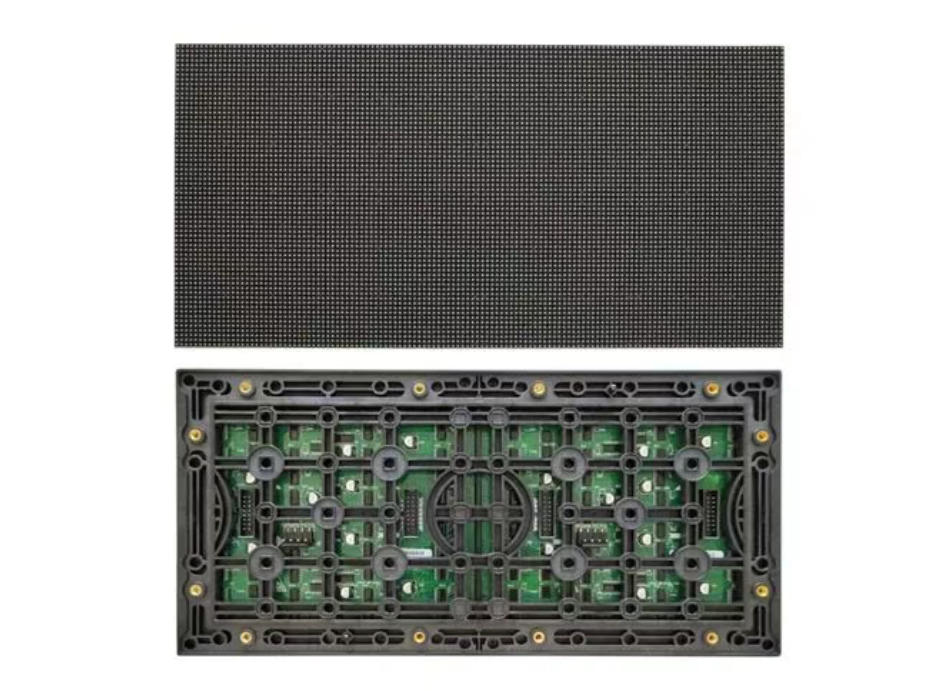
Nowadays, LED displays are no longer limited to the traditional rectangular shape. Special-shaped LED displays are becoming a new favorite in commercial advertising, cultural venues, entertainment venues, and more. Do you know the different types of creative irregular displays? Today, SightLED will Introduce the details.
What are special-shaped LED displays?
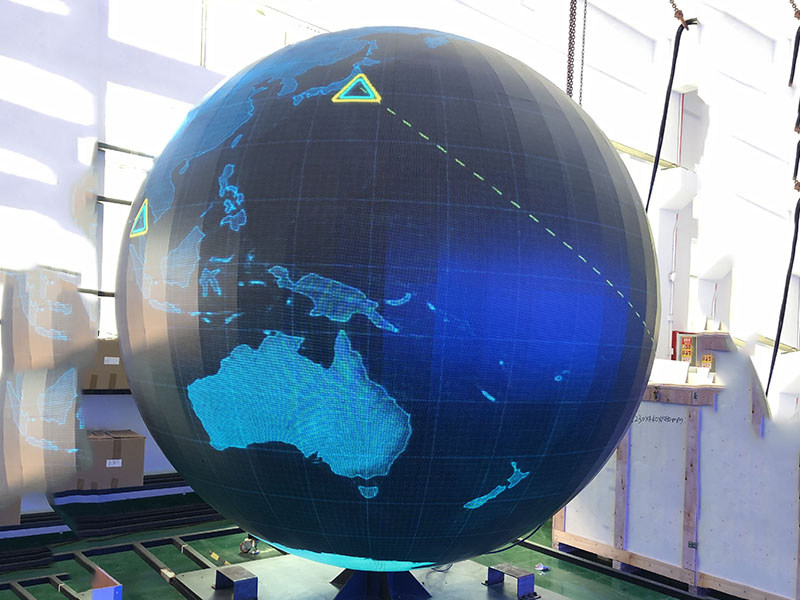
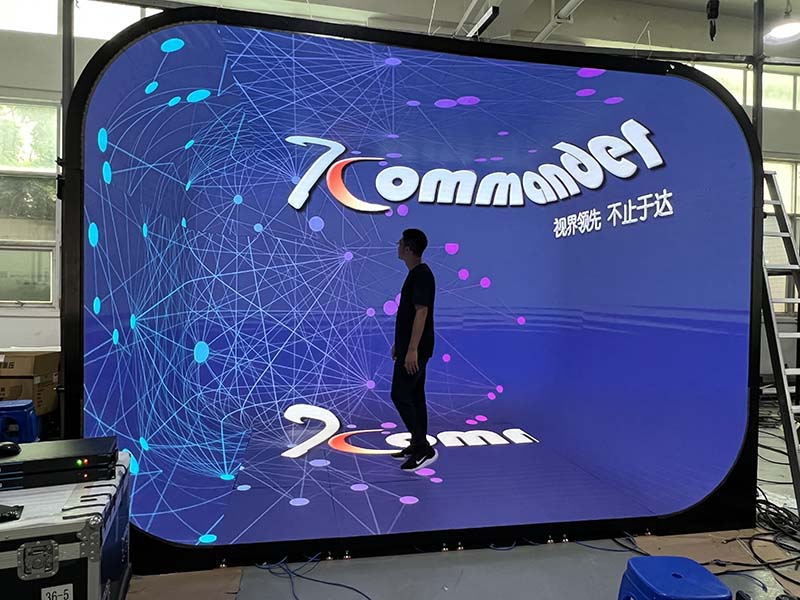
As the name suggests, special displays break away from traditional rectangular and square forms. They are customized into irregular shapes to meet specific scene requirements. Using LED modular splicing technology, these displays can achieve circular, curved, triangular, wavy, and cylindrical shapes. Furthermore, they can even mimic complex shapes, such as animal and architectural silhouettes.
Compared to conventional displays, the core advantages of irregular LED screens lie in their customization and adaptability to various scenarios. They break free from the constraints of flat, regular forms and seamlessly integrate with the architectural structure and aesthetics of the space. For example, they can be integrated into the curved dome of a shopping mall atrium or embedded into the irregular walls of an art gallery. If you want to create a more impactful and immersive visual experience, they are indispensable.
Common Types of irregular LED Displays
Depending on their design, installation method, and application scenario, special-shaped LED displays can be categorized as follows:
Curved LED Displays
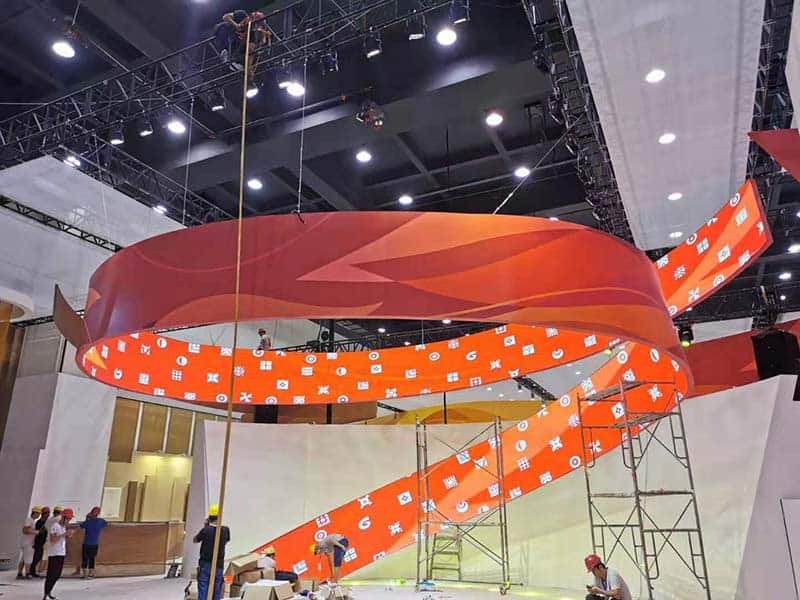
This is one of the most common special-shaped types, including inner and outer arcs, semicircular shapes, and more. The curvature of the arc can be adjusted to meet specific needs, such as a radius of 5 meters or 10 meters. Their key feature is to fit curved architectural structures, such as stadium stands and curved corridors in shopping malls. It can avoid visual interruptions caused by right-angle turns. They are commonly used in circular displays in large venues and curved advertising screens in subway passages.
Circular LED Displays /Oval LED Displays

These are generally circular or oval in shape and can be categorized as “full-circle” displays, such as a 2-meter diameter standalone circular display, or “ring-shaped” displays, which only retain the display area within the circular frame, leaving a hollow center. These displays offer a softer visual effect and are suitable for clock displays and brand logos, such as circular brand displays in shopping mall atrias and celestial simulation displays in science and technology museums.
3D LED Displays

These displays transcend the limitations of flat surfaces and present three-dimensional forms, such as cylindrical, spherical, and conical displays. Alternatively, customized 3D displays can be created to mimic the silhouettes of people, animals, or products, such as cars or wine bottles. For example, a spherical display in a science and technology museum can simulate the cosmic sky, while a cylindrical display in a brand showroom can showcase product details in 360°. These displays require extremely high structural design and assembly precision, resulting in the strongest visual impact.
Irregular Geometric LED Displays

These include asymmetrical shapes such as triangles, trapezoids, waves, and polygons. They are commonly used in art galleries and creative advertising walls. For example, the wavy wall screens at art centers can be combined with lighting to create a sense of fluidity.
Flexible LED Displays (Transformable)
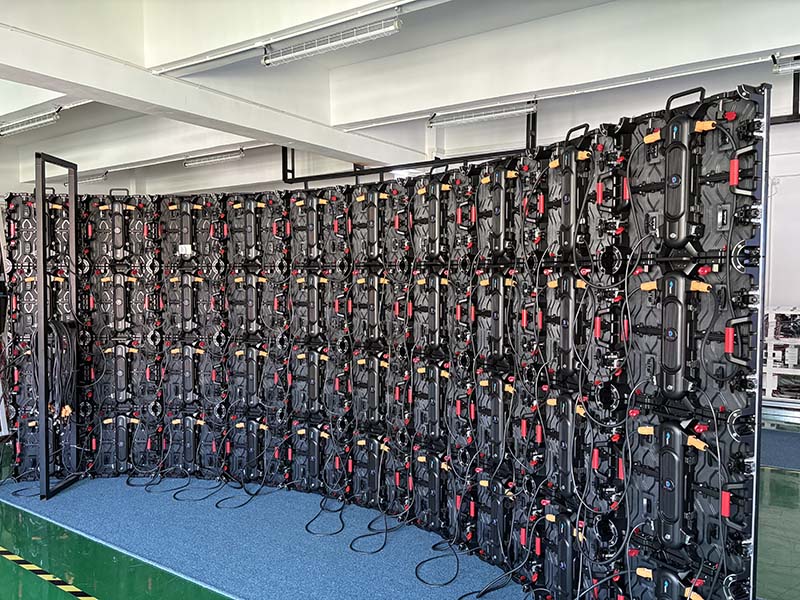
Strictly speaking, flexible displays are “basic products that can achieve custom shapes.” Their LED modules are bendable and foldable, adapting to various installation scenarios, including curved and irregular surfaces. They can be spliced into arcs and waves, or conformed to three-dimensional structures like cylinders and cones. Compared to fixed-shaped displays, flexible displays offer greater flexibility. They are suitable for temporary events that require frequent shape adjustments, such as exhibitions and stage performances.
The Difference Between Custom-Shaped LED Displays and Conventional Displays
What are the differences between custom-shaped LED displays and traditional rectangular or square displays? These differences primarily lie in core technology and installation difficulty.
“Standardized” vs. “Personalized”
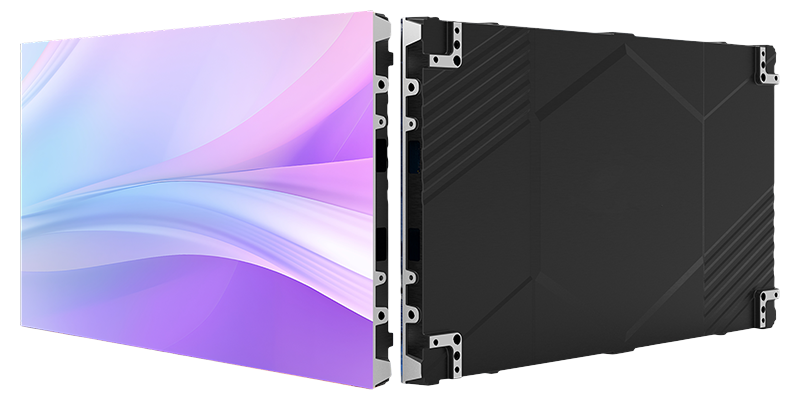
Conventional displays are manufactured in standardized sizes, such as the common Available in sizes such as 250mm×250mm and 320mm×160mm. users can create rectangular screens of varying sizes based on their needs without requiring additional custom structures. Special-shaped LED displays, such as curved and triangular modules, are completely customizable.
Visual Effects and Scene Adaptation
The core function of conventional displays is to clearly display content. They prioritize basic parameters like resolution and brightness. During installation, you simply reserve a regular flat surface, such as a rectangular area on the wall. Visually, they appear as “independent display units.” However, Special-shaped LED displays are “visual elements integrated into the scene.” For example, a curved display that fits perfectly into a building’s dome, blending the image with the structure.
Technical Difficulty and Installation Complexity
The core of conventional display installation is “module splicing.” Simply connect standardized modules in sequence and connect the power and signal connections, resulting in a relatively low technical barrier to entry. However, installing irregular LED displays is more complex Comprehensive Engineering.
- First, you need to design a unique steel structure frame based on the scenario, such as a three-dimensional frame supporting a spherical screen.
- Second, you need to customize the custom-shaped modules. For example, the curvature of the curved modules must match the frame to avoid joint gaps.
- Finally, you need to perform “image correction,” such as adjusting the edges of the curved screen to prevent distortion.
The technical difficulty and installation cost are significantly higher than those of conventional displays.
Application Scenarios:
Conventional displays are suitable for general display needs, such as:
- rectangular conference screens in conference rooms
- rectangular advertising screens in shopping malls
- rectangular monitoring screens in surveillance rooms.
Their core function is to display information clearly and stably. Custom-shaped LED displays are suitable for specialized applications, such as:
- art displays in cultural venues
- custom-shaped cultural relic display screens in museums
- creative advertising screens in commercial complexes
- dynamic stage screens, such as wavy background screens at concerts.
Their core requirement is to enhance visual appeal through unique design.
What is the price of custom-shaped LED displays?
Compared to conventional displays price by square meter, it has a narrow range, such as 600-12000 USD/㎡ for conventional outdoor LED screens. However, custom irregular LED screens have no fixed price standard and a wider price range, typically ranging from 1,000 to 2,200 USD/㎡. Complex LED display designs can even command higher prices. There are Four key factors influence the price:
The more complex, the higher the price.
This is the core factor affecting the price of custom-shaped screens. For example, a simple curved screen has a small curvature and a regular shape. You only need to customize the curved module, which is relatively low, around 700-1,200 USD/㎡. However, Spherical screens require custom-made 3D frames and custom-shaped modules. Furthermore, they require extremely high splicing precision and a long design and production cycle, leading to prices ranging from 1,800-3,000 USD/㎡, or even higher.
Module and Accessory Costs:
Conventional screens use standardized modules. LED display manufacturers can mass-produce and reduce costs. Custom-shaped screens require customization Special-shaped modules. The production process results in increased material loss and low production efficiency, resulting in module costs 30%-50% higher than conventional modules. Furthermore, the steel structure frame and fixings required to manufacture special-shaped screens must be customized, further increasing costs.
Resolution Requirements:
Similar to conventional screens, resolution also affects the price of special-shaped screens. Smaller pixel pitches, such as P2.5 and P3, produce sharper images, but also increase the density of LEDs and the cost. For example, for the same curved screen, a P3 model costs approximately 900-1,500 USD/㎡, while a P1.8 model can cost 1,500-2,200 USD/㎡.
Installation Costs:
As mentioned earlier, installing a special-shaped screen is a comprehensive project. It requires a professional team to design the steel structure, perform on-site assembly, and perform screen calibration. Installation and commissioning costs typically account for 20%-40% of the total cost . This is significantly higher than the installation cost of a conventional screen, which only accounts for 5%-10%. For example, the installation and commissioning costs of a 3-meter-diameter spherical screen alone could reach 2,000-8,000 USD per project.
Furthermore, brand and after-sales service can affect the price. Leading brands, such as Sight LED, offer mature technology and stable quality, and while their prices will be 10%-20% higher than smaller brands, they offer more comprehensive after-sales support.
Summary
The irregular LED displays break the form limitations of conventional displays. We can provide customized solutions acording to your specific needs. If you require an irregular LED display, please feel free to contact us.