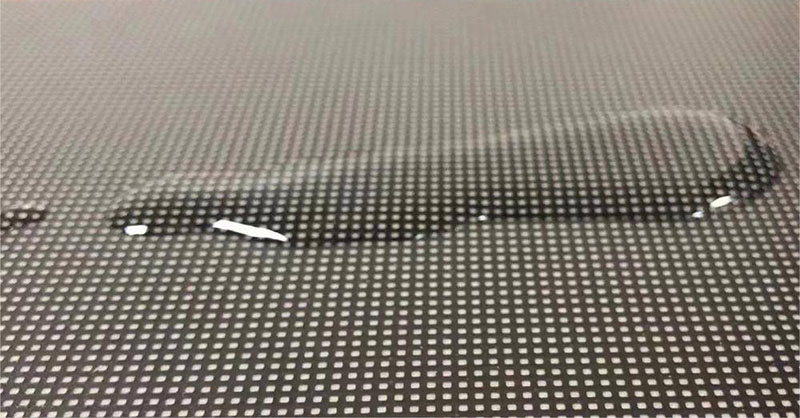
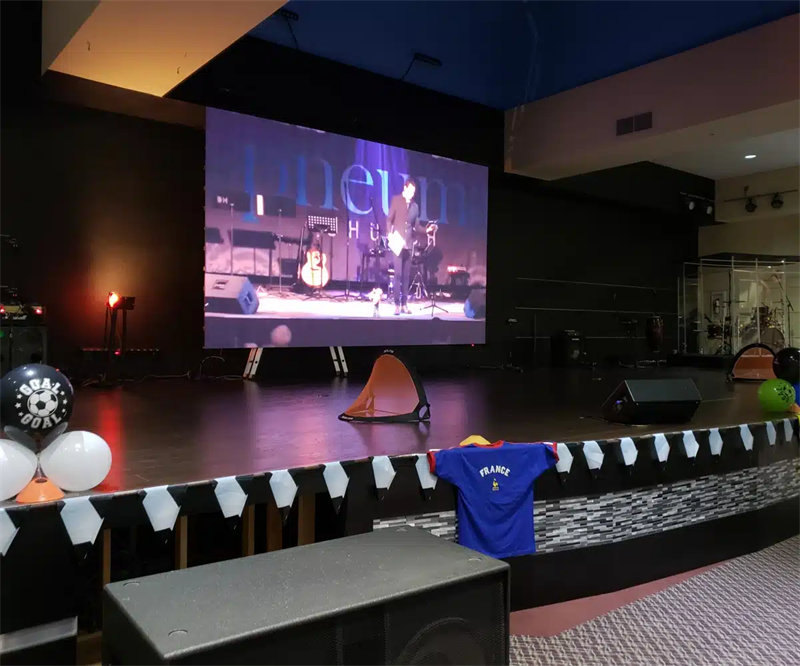
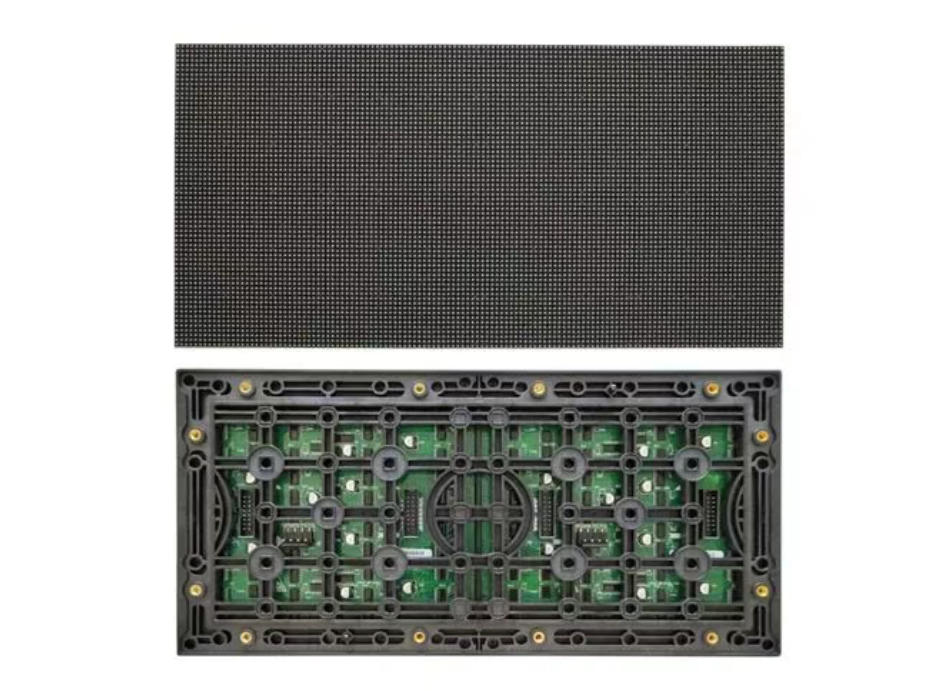
The LED display industry is evolving rapidly. With growing demand and diverse applications, many specialized LED display have emerged. Among them, LED film screens have unique features, which can meet specific needs.
What is an LED Film Screen?
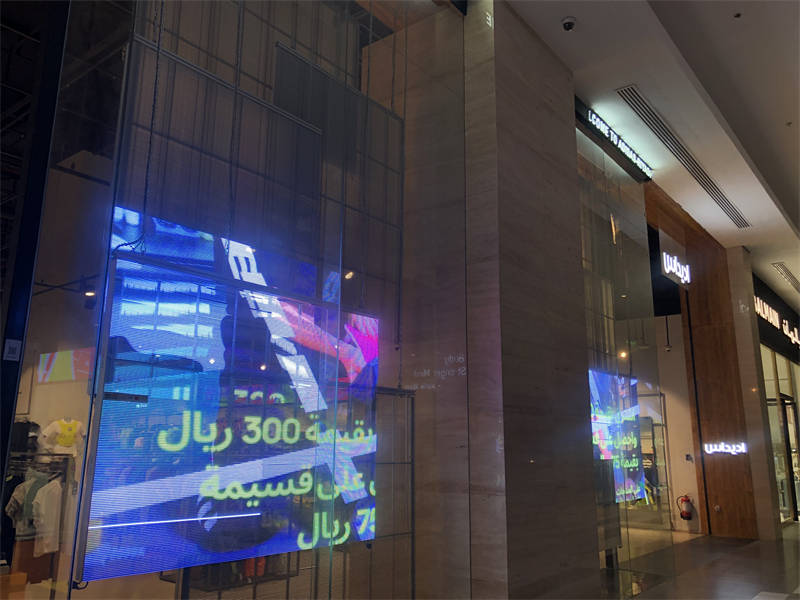
An LED film screen is a creative transparent LED display. It uses special bare LED chips fixed on a transparent PCB board. Through a unique encapsulation process, the screen integrates high-transparency optical lens modules. These screen are ultra-thin, with a thickness of just 1 to 3 millimeters.
Why Choose LED Film Screens for Your Project?
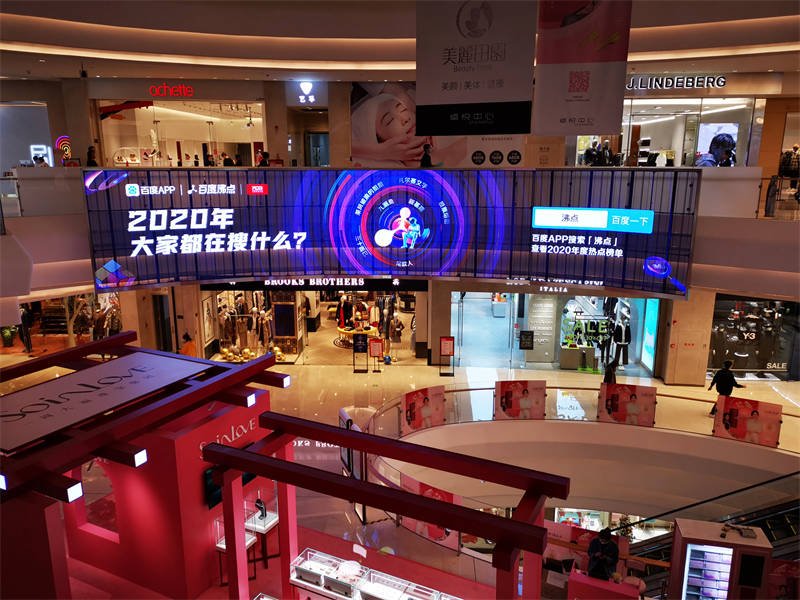
LED film screens combine lightweight, ultra-thin designs with superior functionality. They preserve the natural light of glass facades while delivering vibrant content. They offer numerous benefits. Let’s explore why they stand out.
1. Create Immersive Experiences
- – They provide realistic backdrops for actors to interact with.
- – It can enhance the experience for both creators and audiences.
2. Enjoy High-Definition Quality
- – They offer sharp images with exceptional contrast.
- – Every detail is vivid and engaging.
3. Save Energy with Low Power Consumption
- – This reduces electricity costs significantly.
- – It also promotes eco-friendly practices.
4. Benefit from Durability
- – They withstand moisture, lightning, and impacts.
- – Their tough design can be long-term reliability.
5. Experience Versatility
- – They come in different shapes and sizes.
- – They suit both indoor and outdoor applications.
6. Simplify Maintenance
- – They allow pre- or post-installation servicing.
- – It can save time and effort during upkeep.
7. Rely on Efficient Heat Dissipation
- – They release heat effectively without air conditioners.
- – It can improve performance while saving resources.
8. Enjoy Quick Installation
- – They mount quickly on glass walls.
- – Their lightweight design simplifies handling.
9. Customize for Any Application
- – They work on irregular surfaces or curved designs.
- – they fit perfectly into your vision.
LED Film Screens Applications
- LED film screens are versatile and suitable for various indoor and outdoor settings. They offer innovative display solutions for advertising, decoration, and branding.
- 1. Large Glass Facades: It is Ideal for skyscrapers, malls, exhibition centers, and urban landmarks.
- 2. Shop Windows: It is Perfect for retail stores, car showrooms, jewelry boutiques, and fashion outlets. They modernize traditional advertising instead of static posters.
- 3. Telecommunications and Banks: It is Widely used in service centers, banks, and telecom offices.
- 4. Transportation Hubs: They are Popular in airports, train stations, metro platforms, and bus terminals.
- 5. Lighting Projects: It can enhance cityscapes, building exteriors, bridges, and municipal landmarks.
- 6. Interior Decoration: They are Used in brand stores, elevators, and display walls for a sleek, modern touch.
- 7. Glass Railings: Common in malls, scenic spots, and airports to display interactive content without blocking views.
- 8. Creative Displays: It is Perfect for immersive experiences in cultural events, stage performances, and tourism attractions.
LED Film Screens vs. Traditional LED Displays
Traditional LED Displays:
- – Heavy and bulky
- – Challenging to maintain
- – Poor heat dissipation
- – High operational costs
- – Long installation time
- – Potential safety risks
- – Affects building aesthetics and natural light
- – Difficult to pass regulatory approvals
LED Film Screens:
1. High Transparency
With a transparency rate of 70% to 95%, these screens maintain natural lighting. They do not compromise the original design of buildings.
2. Easy Installation
Simply attach the screen to glass walls or fix it with corner brackets. No structural modifications or support frames are needed. The screen can also be custom-cut without impacting display quality.
3. Flexible and Versatile
The screen can bend to fit curved surfaces, accommodating various architectural designs.
4. Outstanding Visual Effects
It can Deliver seamless images with wide viewing angles and vibrant colors. It is suitable for both advertising and artistic impact.
5. Durable and Cost-Effective
Efficient heat dissipation increases lifespan and reduces repair costs.
6. Energy-Efficient and Eco-Friendly
Consumes less power than traditional LED screens and eliminates the need for air conditioning or cooling systems.
How Much Does Film Transparent LED Screens Cost?
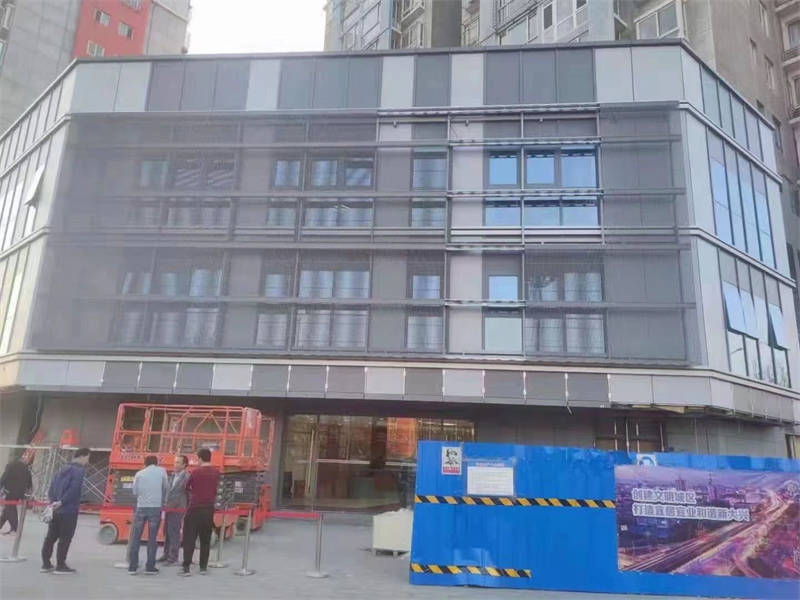
LED film screens come in various models. Its prices varying based on specifications, customization, and additional features.
Price Examples:
- – P2.78 (50% Transparency): $2,000–$25,000/m²
- – P3.97 (70% Transparency): $1,000–$1,200/m²
- – P9.26 (80% Transparency): $600–$1,600/m²
Factors influencing price:
- LED material,
- customizations,
- logistics, installation,
- after-sales service.
Detailed Price Breakdown & Cost Factors
- Pixel Pitch & Transparency
The table below summarizes typical market price ranges (per m²) for common LED film screen model.
| Model (Pitch) | Transparency | Typical Brightness | Suitable Scene | Price Range (USD/m²) |
|---|---|---|---|---|
| P2.78 | 50% – 55% | 800 – 1500 nits | Indoor retail, high-end showrooms, close viewing (3–5m) | $2,000 – $2,800 |
| P3.97 | 65% – 75% | 1500 – 2500 nits | Indoor & semi-outdoor, shopping malls, glass curtain walls (5–10m) | $1,000 – $1,350 |
| P5.2 – P6.25 | 75% – 85% | 2500 – 4000 nits | Outdoor (with protection), building facades, transportation hubs (8–15m) | $800 – $1,200 |
| P9.26 – P10 | 85% – 95% | 4000 – 6000 nits | Large outdoor glass walls, landmarks, long viewing distance (>15m) | $600 – $1,000 |
Why Does the Same Pitch Have a Price Range?
LED Chips
- Top-tier: Nichia, Osram, Cree have higher brightness, better color consistency, longer lifespan, so it will add +15%–25%
- Mid-tier: Nationstar, Kinglight have stable performance. They are widely used dor standard usage.
- Chip material: Gold wire vs. copper wire . Gold wire offers better corrosion resistance. They are essential for outdoor or coastal areas.
PCB Board & Encapsulation
- Transparent PCB: Thickness, flexibility, and flame rating (FR-4 / FR-2) influence cost.
- Surface coating: Outdoor models require weatherproof glue (silica gel) , which adds $80–150/m² compared to indoor versions.
Driver ICs (Refresh Rate & Gray Scale)
- Standard IC: 1920Hz refresh, 14-bit grayscale. It is sufficient for most advertising.
- High-end IC MBI5253, ICN2153: 3840Hz refresh, 16-bit grayscale. It is smoother for camera recording, better for stage/events. It will add +$50–100/m².
Control System & Power Supply
- NovaStar or Colorlight control systems are industry standards.
- Asynchronous system can be simple playback via USB/Wi-Fi. It is cheaper.
- Synchronous system support real-time computer input. It is used for complex content . So, it will add $300–600 per set.
Total Project Cost Estimation (Real-World Examples)
To help customers budget, here are three typical project scenarios.
Scenario A: Small Indoor Retail Window
- Size: 3m × 2m = 6㎡
- Model: P3.97, indoor, 1500 nits
- Screen cost: 6㎡ × $1,150 = $6,900
- Control system (asynchronous): $350
- Power supply & distribution: $200
- Cables & accessories: $100
- Installation (self-adhesive, by client): $0
- Total estimate: $7,550
Scenario B: Medium Glass Facade (Mall / Showroom)
- Size: 6m × 4m = 24㎡
- Model: P3.97, semi-outdoor (IP43), 2500 nits
- Screen cost: 24㎡ × $1,250 = $30,000
- Control system (synchronous, NovaStar): $550
- Power distribution cabinet: $600
- Installation (professional team): $1,800
- Shipping (air freight, insured): $800
- Total estimate: $33,750
Scenario C: Large Outdoor Curtain Wall
- Size: 10m × 5m = 50㎡
- Model: P9.26, outdoor IP65, 5000 nits
- Screen cost: 50㎡ × $950 = $47,500
- Weatherproof power distribution + surge protection: $1,200
- Steel structure (if no existing glass surface): $2,500–$4,000
- Full installation & commissioning: $3,000
- Total estimate: $55,000 – $56,500
Hidden Costs to Clarify
- In your communication, you can proactively mention these to show transparency:
- Shipping & Insurance: Air freight is 3–5x faster but more expensive than sea freight. Insurance is typically 0.5%–1% of goods value.
- Customs & Duties: Vary by country ar usually 5%–15%.
- Spare Parts: Recommend ordering 5%–10% extra modules for long-term maintenance to avoid future batch color differences.
- Extended Warranty: Standard warranty is 2 years.
How to Get an Accurate Quote: What We Need from You
To give you the most precise price, please share:
- Application: Indoor / outdoor / semi-outdoor
- Screen size: Width × Height (or area)
- Viewing distance: Minimum distance from audience
- Glass type: Curved or flat? Existing structure?
- Brightness requirement: Will it face direct sunlight?
- Control method: USB playback / Wi-Fi / PC real-time control
With this information, we can provide a detailed quotation within 24 hours, including screen, accessories, and optional installation support.
How to Calculate the Total Cost for Your Project?
The final price depends on the total area, pixel pitch, and installation complexity. Here is a simple calculation example for a standard 10㎡ (approx. 107 sq. ft) indoor glass facade project.
Sample Calculation for Indoor Retail Glass Window:
- Screen Specification: P3.97 (70% Transparency)
- Area: 5 meters (W) x 2 meters (H) = 10㎡
- Unit Price: $1,100/m² (Average market price for P3.97)
- Screen Cost: 10㎡ × $1,100 = $11,000
Accessories:
- Power Supply & Distribution Box: $300 – $500
- Control System (Receiver Card/Sending Card): $400 – $600
- Cables & Connectors: $100 – $200
Installation:
- DIY (Adhesive Mounting): $0 – $200 (tools only)
- Professional Installation: $800 – $1,500 (depending on location)
- Estimated Total Budget: $12,600 – $13,800
*Note: Custom sizes, curved glass, or outdoor weatherproofing (IP65) will increase the cost by 15%-30%.*
How to Choose the Right LED Film Screen
1. LED Quality
Please Choose durable LED components,such as proper current control, efficient heat dissipation, and precise manufacturing processes.
2. Brightness Levels
– For indoor use: you can choose 800 nit low-brightness screens to save costs.
– For indoor screens visible outdoors: medium-brightness screens work best.
– For outdoor use: We recommended high-brightness models.
3. Viewing Angle
LED film screens typically offer a 160° viewing angle, wide visibility without color distortion.
4. Transparency
Transparency ranges from 60% to 95%. it is suitable for glass walls while maintaining visibility and lighting.
5. Driver ICs
High-quality 3840 refreash ICs ensure smooth operation and reliable performance.
6. Energy Consumption
LED film screens are energy-efficient, with an average consumption of less than 280W/².
How to Install an Transparent LED Film Screen
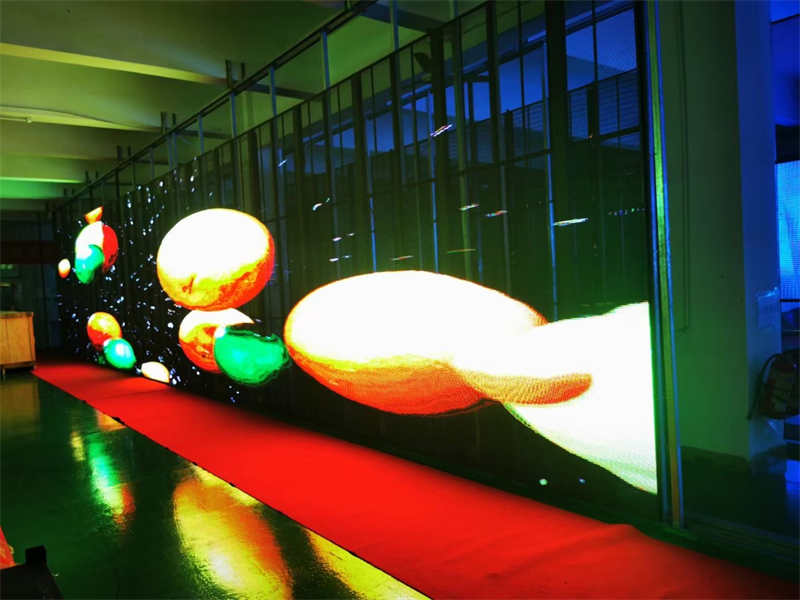
Installation LED Film Screen is simple. These screens can be directly applied to glass surfaces or fixed with corner brackets. No heavy structural supports are required, therefore, the process is quick and hassle-free.
Tools and Materials
Essential Tools
- 1.Measuring Tape: It can Ensure precise placement of the screen.
- 2.Level: Keeps the screen aligned with the surface.
- 3.Screwdriver Set: It can Secure the frame and brackets firmly.
- 4.Utility Knife: Trims excess film neatly during installation.
- 5.Cleaning Cloth: Prepares the surface by removing dirt and dust.
Required Materials
You also need specific materials to complete the installation.
- -LED Film Screen: The core component.
- -Mounting Brackets: Supports the screen securely.
- -Adhesive Strips or Glue: Keeps the screen in place.
- -Electrical Cables: Connects the screen to power.
- -Protective Film: Prevents scratches during installation.
Preparing for Installation
Choosing the Location
- – High-traffic areas ensure maximum visibility.
- – A flat surface provides better adhesion.
- – Avoid direct sunlight to prevent glare.
- – Check ventilation space to prevent overheating.
Environmental Factors
Environment affects the screen’s performance.
- – Indoor areas need stable temperatures and humidity.
- – Outdoor setups require weather-resistant materials.
- – Monitor local regulations to ensure compliance.
Step-by-Step Installation Guide
Initial Setup
Unpack and Inspect
- – Open the packaging carefully.
- – Check for any damage or missing parts.
- – Confirm the adhesive backing is intact.
- – Please ensure the screen dimensions match the installation area.
Assemble the Frame
- – Lay out the frame components.
- – Follow the manufacturer’s instructions closely.
- – Use a screwdriver to tighten all connections.
- – Align the frame with the screen for a perfect fit.
Mounting the Screen
Wall Mounting
- – Mark the position using a tape measure and level.
- – Attach brackets securely with screws.
- – Fix the frame onto the brackets firmly.
- – Check alignment and level after mounting.
Ceiling Mounting
- – Choose a stable ceiling area.
- – Mark accurate installation points.
- – Install ceiling brackets tightly.
- – Attach the screen frame securely to the brackets.
Connecting and Configuring
Electrical Setup
- – Locate a nearby power source.
- – Connect cables securely to the power input.
- – Test the power connection before proceeding.
Configure the Display
- – Access the screen’s settings menu.
- – Adjust brightness to match ambient light.
- – Calibrate colors for accurate visuals.
- – Save all settings for consistent display quality.
Optimizing the Viewing Experience
Calibration and Adjustments
Color Calibration
- – Use a calibration tool to adjust colors.
- – Compare displayed colors with a reference image.
- – Regular recalibration ensures consistent visuals.
Brightness and Contrast
- – Adjust brightness for clear visibility.
- – Increase contrast to enhance image depth.
- – Recalibrate older screens to restore brightness.
Maintenance Tips
Cleaning the Screen
- – Use a soft, lint-free cloth for cleaning.
- – Avoid harsh chemicals to protect the screen.
- – Clean regularly to remove dust and fingerprints.
- – Power off the screen before cleaning for safety.
Troubleshooting Common Issues
- – Address issues like flickering or dead pixels immediately.
- – Check electrical connections for loose cables.
- – Seek professional support for persistent problems.
Conclusion
LED film screens offer versatility, energy savings, and exceptional quality. They’re durable, easy to maintain, and highly customizable. If you are looking for these LED screens, here is the right place. As a professional LED film screen manufacturer, we will provide you with the best solution.
FAQs:
What is the lifespan of an LED film screen?
SightLED’s high-quality LED film screens last 50,000 to 100,000 hours .
Can LED film screens be installed on curved glass?
Yes. One of the biggest advantages is their flexibility. They can be bent to fit curved glass facades, cylindrical columns, or irregular architectural shapes without losing display quality.
Does installing an Film LED screen block the view from inside?
No. With transparency rates ranging from 70% to 95%, these screens maintain natural light and visibility. People inside the building can still see outside clearly when the screen is off or displaying dark content.
Is the LED film screen waterproof? Can it be used outdoors?
There are both indoor and outdoor versions. Outdoor models come with IP65 coating to withstand rain, dust, and humidity.
What is the minimum installation space required?
Since LED film screens are only 1-3mm thick, they require minimal space. They can be directly adhered to existing glass, making them ideal for retrofitting projects .
How do you repair a damaged LED film screen?
Maintenance is modular. If a specific section fails, you usually only need to replace the affected module or strip. There is no need to replace the entire screen, which significantly reduces repair costs.
What is the difference between P2.78, P3.97, and P9.26?
The “P” stands for pixel pitch .
P2.78: Closest viewing distance (3-5m), lower transparency (50%), best for detailed indoor ads.
P3.97: Most popular balance of clarity and transparency (70%), suitable for 5-10m viewing.
P9.26: Highest transparency (80%+), best for viewing distances over 15m (e.g., skyscrapers).
Can I cut the LED film display to fit my window size?
Yes, we offer custom cutting. The screen can be cut along specific cutting lines to match your exact window dimensions without damaging the circuit or display function.
Does the screen require air conditioning for cooling?
No. Unlike traditional LED displays that generate significant heat, LED film screens feature efficient passive heat dissipation. They do not require external cooling systems, saving energy and maintenance costs.
What is the power consumption per square meter?
Average power consumption is very low, usually between 150W to 280W per square meter (maximum), and even lower when displaying dark content.
How long does the installation take for a 20㎡ project?
Installation is fast. For a standard glass facade, a professional team can complete the installation and configuration within 1 to 2 days.
Do you provide shipping and installation services internationally?
As a professional LED display manufacturer, we ship worldwide via air or sea. We provide detailed installation manuals, video guides, and for large projects, we can arrange engineer support for on-site supervision.
What is the brightness (nits) required for outdoor use?
For outdoor use where the screen faces direct sunlight, you need a brightness level of 4,500 nits to 6,000 nits. Indoor screens typically use 800-1,500 nits.
Can the LED film screen play videos and connect to social media?
Yes. It works like any standard LED display. It can be connected to media players, USB drives, or network control systems to play videos, images, and even sync with real-time social media feeds.
What is the warranty period for LED film screens?
We offer a 2 to 3-year standard warranty.