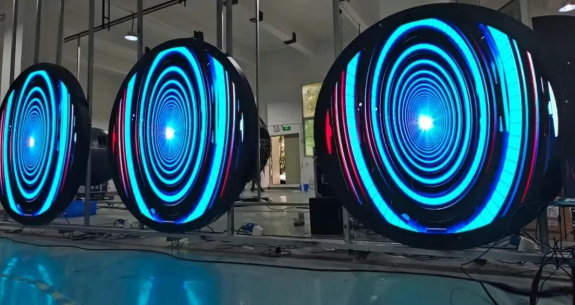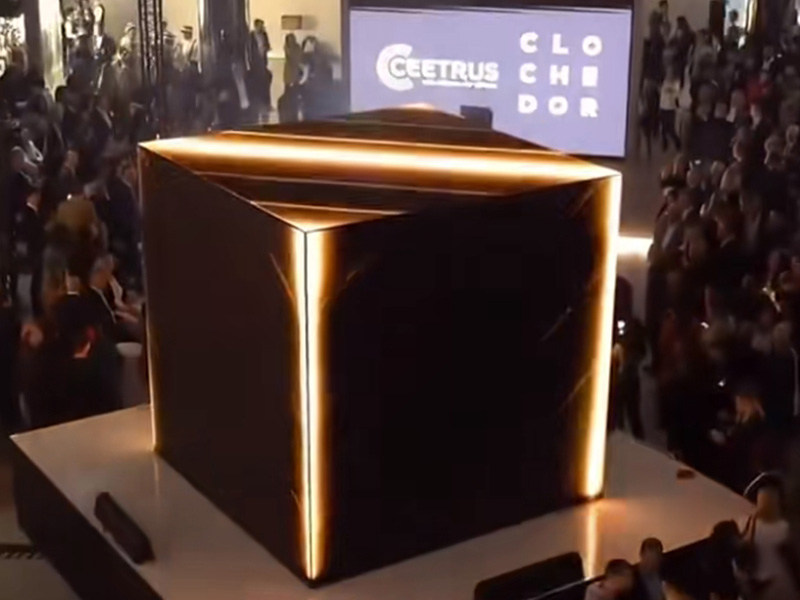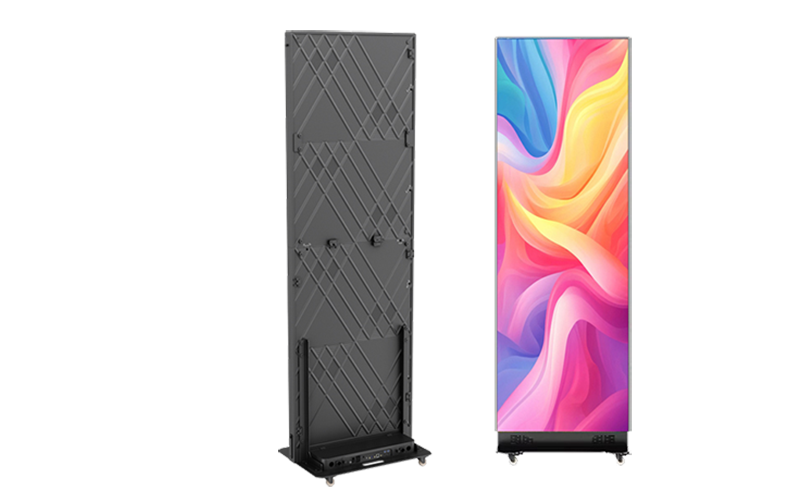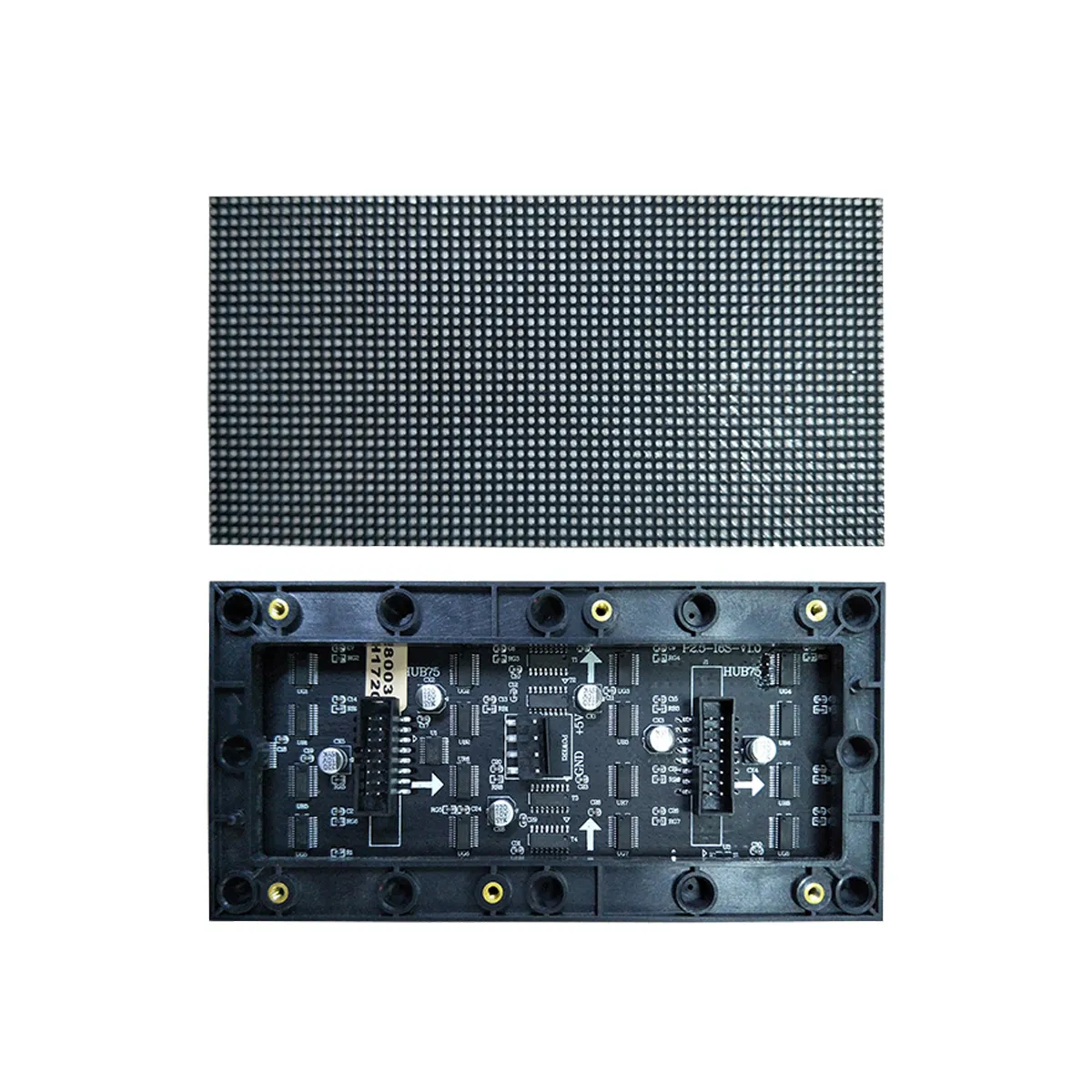
As urban landscape construction, tourist attraction development, LED mesh screens have become an integral part of modern cityscapes. Compared to traditional lighting strips, LED mesh screens hold absolute advantages in color diversity, display content flexibility, and market value. They can showcase text, images, and videos, and even generate long-term advertising revenue .
But when it comes to LED mesh screens, many people confuse point light sources with grille screens. What is the defference?
What Are LED Mesh Screen?
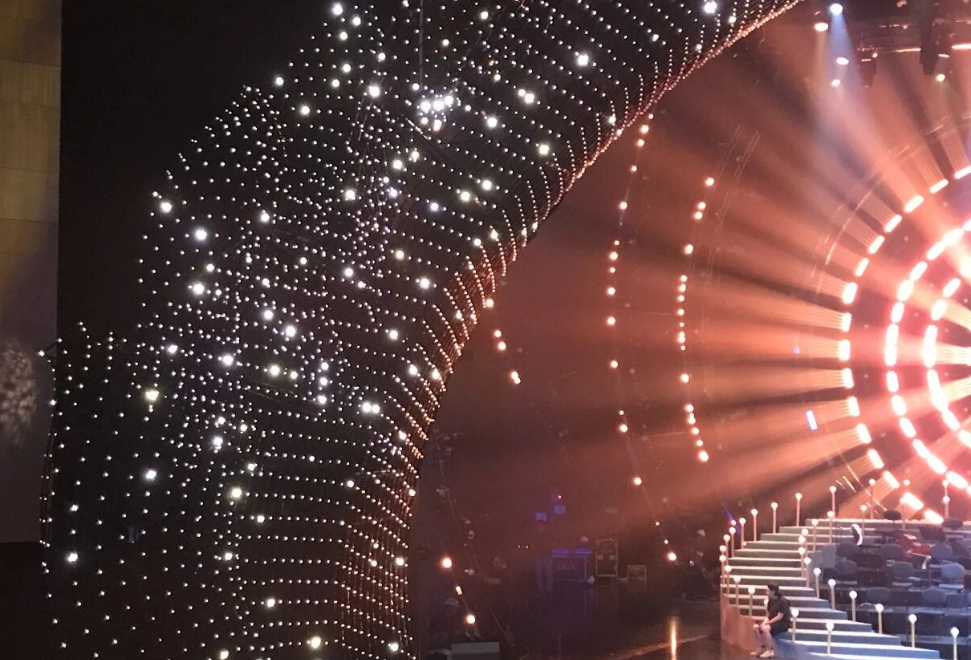
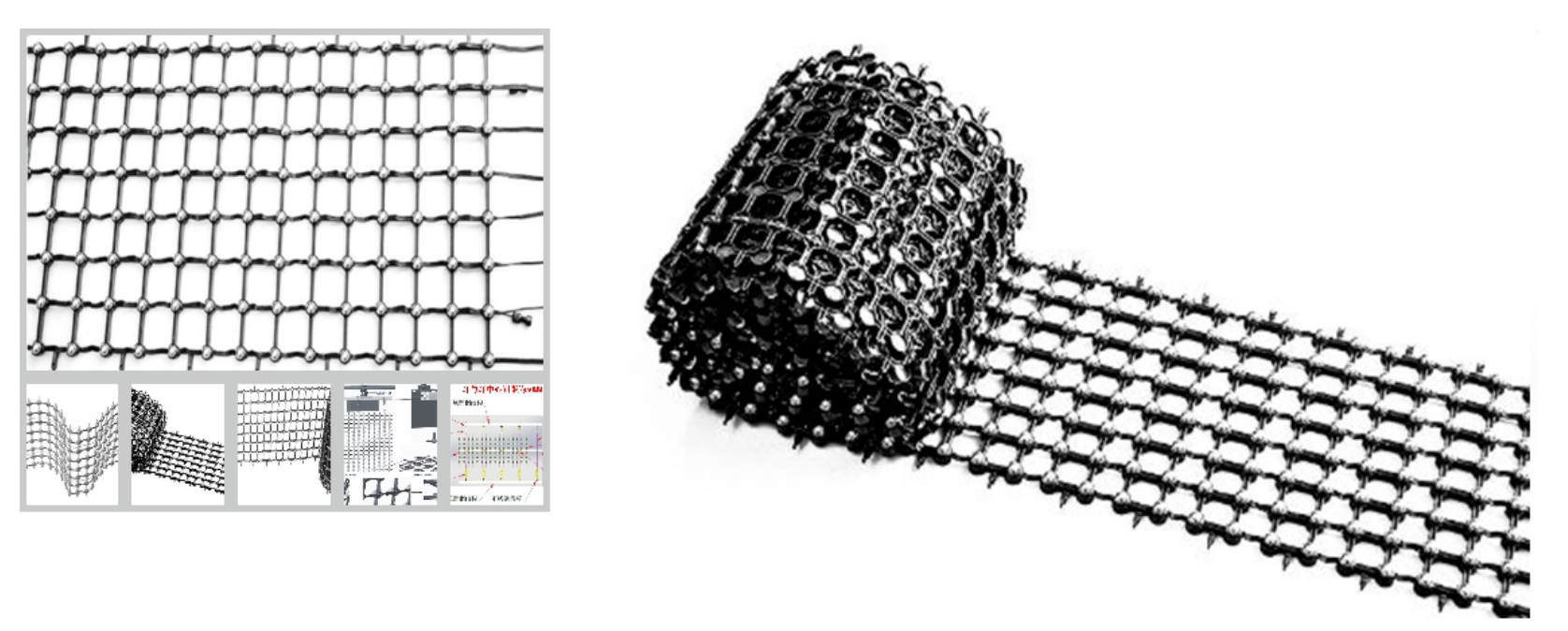
Mesh LED screen point lights are a type of large-pitch transparent LED display. It is named for their grid-like structure. Their most prominent feature is high light transmittance, which ensures they don’t block views or natural lights. In recent years, they’ve become a staple in the entertainment and performance industry.
Unlike conventional transparent screens, LED mesh screen have larger pixel pitches. LED display Manufacturers design them to be modular, so you can easily splice them to create ultra-large displays. While their large pixel pitch means they aren’t sharp up close, they excel in outdoor large-scale lighting and decorative scenarios. You can think city skyline lighting or large event backdrops, like the opening ceremony of the China Golden Rooster and Hundred Flowers Film Festival.
LED Mesh Screen Point Lights vs. Grille Screens: Core Differences
Many people use “mesh screen” and “grille screen” interchangeably, but they’re not the same. Let’s clarify their key distinctions to help you choose the right option:
Structural Design
LED mesh screen consist of individual point light sources connected in a grid. Each point light is a separate unit with a small size and lightweight design. You can shape it into curves, spheres, trees, or cones for custom irregular displays.
However, Grille screens have a fixed grille-like frame with LED diodes embedded in the gaps. Their structure is more rigid, limiting flexibility. They work best for flat or slightly curved surfaces but struggle with complex, irregular shapes. This rigidity also makes them heavier than mesh screens. It is usually weight about 10-20 kg/㎡ compared to mesh screens’ 3-10 kg/㎡.
Light Transmittance & Aesthetics
LED mesh screen improve an impressive transmittance rate of up to 85%. Their sparse grid structure minimizes obstruction of natural light and views. They also have a sleek, futuristic look to add a touch of technological artistry to structures.
Grille screens have lower transmittance about 60-70% due to their denser frame structure. While they still offer some transparency, they’re more noticeable on building exteriors . It can alter the original aesthetic of the structure. Therefore, They are better suited for industrial or functional scenarios rather than high-end architectural lighting.
Application Scenarios
LED mesh screen are good for creative and irregular applications:
- Stage choreography
- 3D displays in shopping malls
- Science museums
- Custom-shaped building lighting .
Grille screens are better for fixed, large-area displays ,such as outdoor billboards, stadium scoreboards, or industrial site monitoring screens. They are more durable in high-wind or high-impact environments, but they lack the creative versatility of mesh screen point lights.
Installation & Maintenance Costs: Are They High?
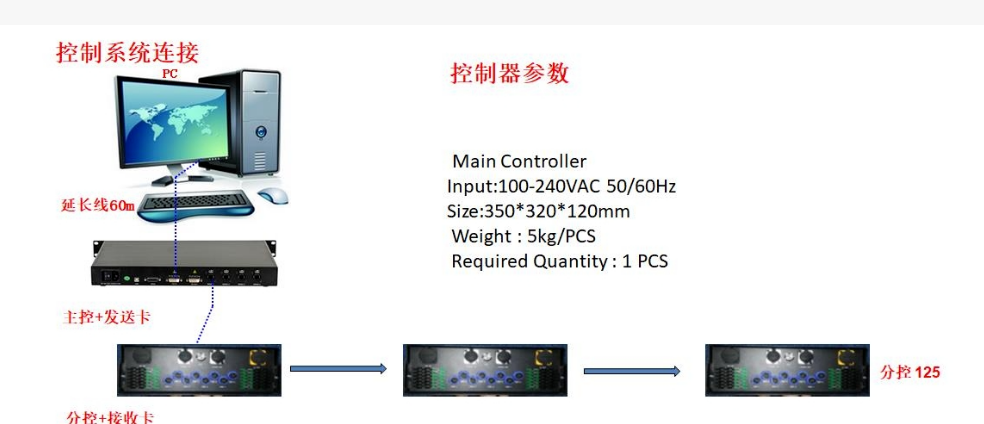
One of the biggest concerns for project managers is cost. The good news is that LED mesh screen offer significant advantages in installation and maintenance costs compared to conventional screens and even grille screens.
Installation Costs:
LED mesh screen are lightweight (3-10 kg/㎡), so they require minimal steel structures for support. Unlike conventional screens, which need heavy-duty framing to bear their weight. In addition, mesh screens can often be installed directly on existing structures like glass curtain walls or building facades with simple fixtures. This not only reduces the cost of steel materials but also shortens installation time.
Notably, many mesh screen come with magnetic buckles for quick connection and disassembly. “plug-and-play” installation is a breeze, even for large-scale projects. For example, installing a 100-square-meter mesh screen might take just 2-3 days with a small team, compared to a week or more for a conventional screen of the same size.
On the other hand,Grille screens require more robust steel framing due to their heavier weight. This increases both material and labor costs. Therefore, It is less cost-effective for large-area or high-rise installations.
Maintenance Costs:

Mesh LED screen are designed for durability and easy maintenance. They have a “breakpoint continuation” function if one light fails. It doesn’t affect the operation of the others. This means you don’t have to shut down the entire screen for repairs, reducing downtime and operational losses.
Most mesh screen point lights also have high protection ratings (IP65 or higher), making them dustproof, waterproof, and lightning-resistant. They can withstand harsh weather conditions like rain, snow, and extreme temperatures, reducing the frequency of maintenance. When repair, you can replace individual module quickly without specialized tools.
However, Grille screens have a more complex structure. The maintenance is more time-consuming. Replacing a damaged section often requires disassembling part of the grille frame, which increases labor costs and downtime.
Key Features of LED Mesh Screen
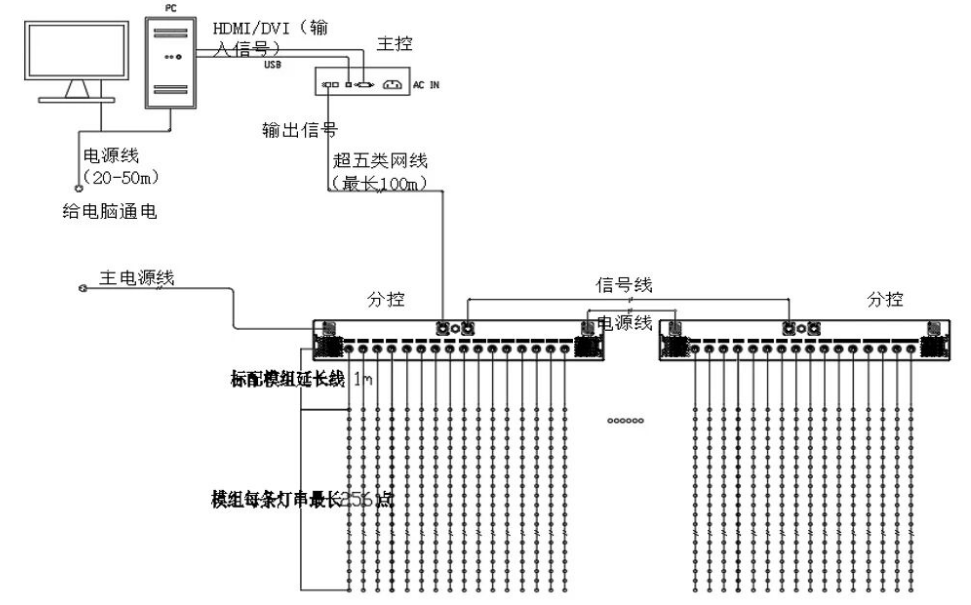
To understand why LED mesh screen are so popular, let’s recap their core features:
- – High Transmittance: Up to 85% transmittance preserves natural light and views
- – Lightweight & Flexible: Weighing just 3-10 kg/㎡, they can be bent into any shape for creative designs.
- – Easy Installation: Magnetic buckles enable quick connection and disassembly
- – Durable & Weather-Resistant: IP65+ protection rating resists dust, water, and lightning
- – Energy-Efficient & Long-Lasting: Low power consumption and long lifespan up to 50,000 hours reduce operational costs.
- – Intelligent Control: Compatible with DMX512 protocol, enabling synchronized color changes, animations, and video playback.
How to Choose the Right LED Mesh Screen ?
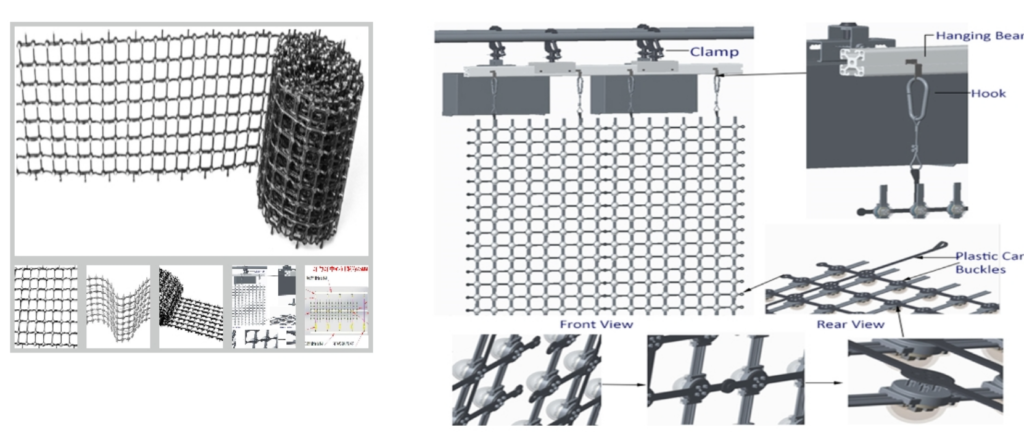
When selecting mesh screen for your project, you can consider the following factors:
Project Size & Installation Height:
Larger projects or higher installations require lighter, more durable modules to reduce structural stress.
Viewing Distance:
Since mesh have larger pixel pitches, you can choose the right pitch based on the average viewing distance ,like P10-P50 for outdoor viewing.
Brightness Requirements:
Outdoor projects need higher brightness above 5000-8000 nits to combat sunlight, while indoor projects can use lower brightness about 2000-3000 nits to save energy.
Display Effect:
If you need to show detailed videos or images,you can choose a smaller pixel pitch. For decorative lighting, a larger pitch is more cost-effective.
Common Application Scenarios of LED Mesh Screen
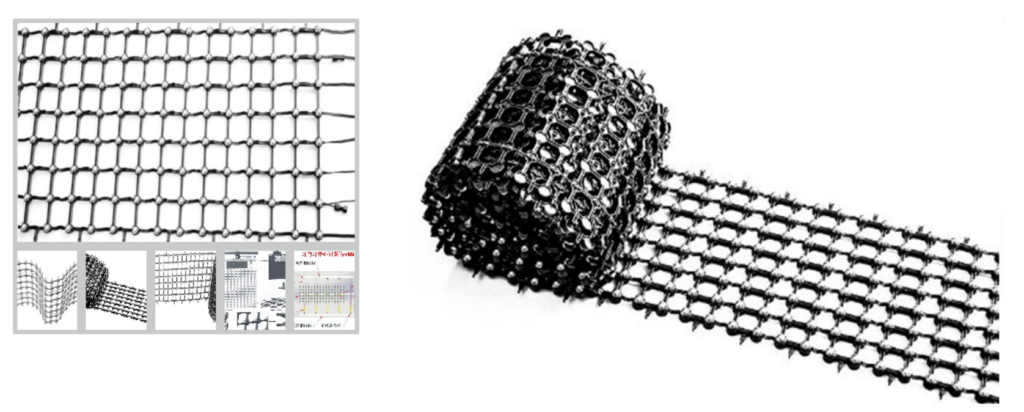
LED mesh screen point lights are versatile and widely used in various scenarios:
Stage Choreography
Can be integrated into any stage design, creating deep visual depth and immersive effects. They’re a staple in large events like the Olympics, Winter Olympics, and World Cup.
Architectural Lighting
Ideal for glass curtain walls, building facades, and rooftop sculptures. The building’s original design isn’t compromised, while their bright colors enhance the urban night view.
Cultural & Tourist Attractions
Used in science museums for 3D displays, ancient buildings for decorative lighting, and tourist spots for interactive light shows.
Commercial Spaces
Shopping malls, plazas, and subway stations use them for advertising displays and decorative lighting. It can attract customers and enhance the shopping experience.
Infrastructure Lighting
They outline overpasses, bridges, and rivers. They can improve nighttime visibility and safety while add beauty to the cityscape.
Why Choose LED Mesh Screen for Creative Lighting?
Beyond their technical advantages, LED mesh screen offer unique benefits for creative projects:
- – Small Size & Light Weight: Easier to transport and install, making them perfect for comple shapes.
- – Safe & Stable: Operate on low-voltage DC power (6-25V), making them safe for public spaces. Their simple structure resists impact and vibration.
- – Fast Response Time: Nanosecond-level response ensures smooth animations and color changes.
- – Rich Colors: Can produce any color in the visible spectrum through current adjustment, chemical modification, or color mixing. They support monochromatic, gradient, jumping, and scanning effects.
Final Thoughts
LED mesh screen and grille screens serve different purposes. Mesh screens excel in flexibility, transmittance, and creative applications, while grille screens are better for fixed, stable displays. When it comes to installation and maintenance costs, mesh screen are far more cost-effective, thanks to their lightweight design, modular installation, and durable structure.
If you’re planning a creative lighting project, large-scale event, LED mesh screenare an excellent choice. If you need this LED screen, please feel free to contact us.